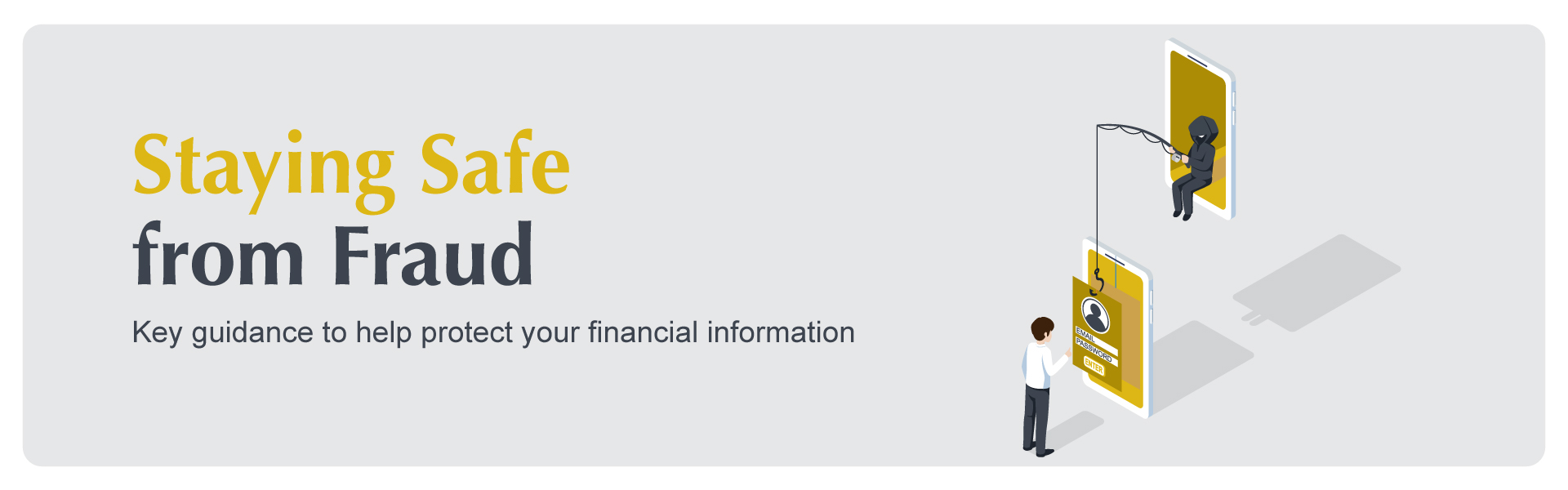
Fraud attempts are becoming increasingly sophisticated, often involving impersonation, phishing messages, or unauthorised requests for information.
This page outlines common fraud risks, how we protect your information, and what actions you should take if something feels unusual.
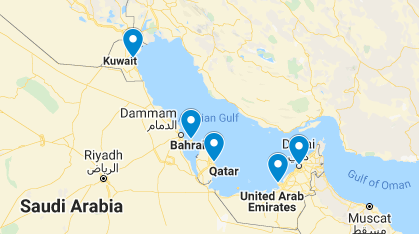
Information and processes may vary by region.
COMMON FRAUD SCENARIOS
Phishing Messages
Emails, SMS, WhatsApp, or social media messages requesting personal details, OTPs, or login information.
Impersonation Attempts
Messages or calls claiming to be from advisors, insurers, or regulators.
Unauthorised Offers
Pressure to act on “exclusive” opportunities, bonus returns, or urgent policy changes.
Account Takeover Risks
Attempts to access accounts using stolen or compromised credentials.
How We Help Protect Your Information
- We never request passwords, OTPs, or online access credentials
- Communication is conducted only through verified channels
- Strong data-protection controls are in place
- Ongoing monitoring by Compliance and Risk teams
- Emails are sent only from authorised domains
How You Can Protect Yourself
- What You Can Do
- Do not respond to unsolicited requests for information
- Always verify communications before sharing details
- Avoid clicking on unknown or suspicious links
- Keep personal and financial information confidential
- Report any unusual activity promptly
If You Suspect Fraud
Stop all communication immediately
Do not share any personal or financial details
Contact us through official channels
Change passwords if you believe your information may be compromised
Share message details, numbers, emails, or screenshots for investigation
Information for Clients Based in Bahrain
Policy changes or payments are not processed via WhatsApp or social media
Always verify the sender’s identity before responding
When in doubt, contact us directly for confirmation
Contact Details
Compliance Department – Bahrain
Email: bahrain.compliance@nexusadvice.com
Phone: +973 1751 777 Ext: 753
Your trust matters.
If something feels unusual, it’s always better to pause and check first.