

AC Failures, Electrical Fires & Water Leaks: Hidden Home Insurance Risks in Dubai Apartments
In Dubai’s residential landscape, property risks are often misunderstood. Apartment landlords and residents tend to think that the most important thing about the apartment is its physical condition, yet there are more frequent and more destructive problems that are neglected. Air conditioning malfunctions, power outages, and leaks of various kinds do not happen just by chance. From the standpoint of an insurance broker Dubai, these risks frequently expose gaps between assumed protection and actual policy coverage.
At Nexus, we often engage with clients who believe their homes are adequately insured until a claim is tested. The disconnect is rarely about having insurance, it is about whether that coverage reflects the realities of living in Dubai.
The Structural Nature of Apartment Risks in Dubai
The functioning of Dubai’s apartments is under circumstances where pressure on its internal systems will always exist. It will not come as a surprise if system failures arise because the factors that contribute to failure are already present extreme temperatures during summer, humid weather conditions, and extensive use of utilities.
AC units operate continuously, circuitry undergoes changes under different loadings, and plumbing works round the clock. The threats involved may not seem threatening initially. For example, a small leak that occurs through the plumbing may take some time to be detected through visible damage. By that stage, the extent of repair is often significantly higher than anticipated.
AC Failures: More Than a Comfort Issue
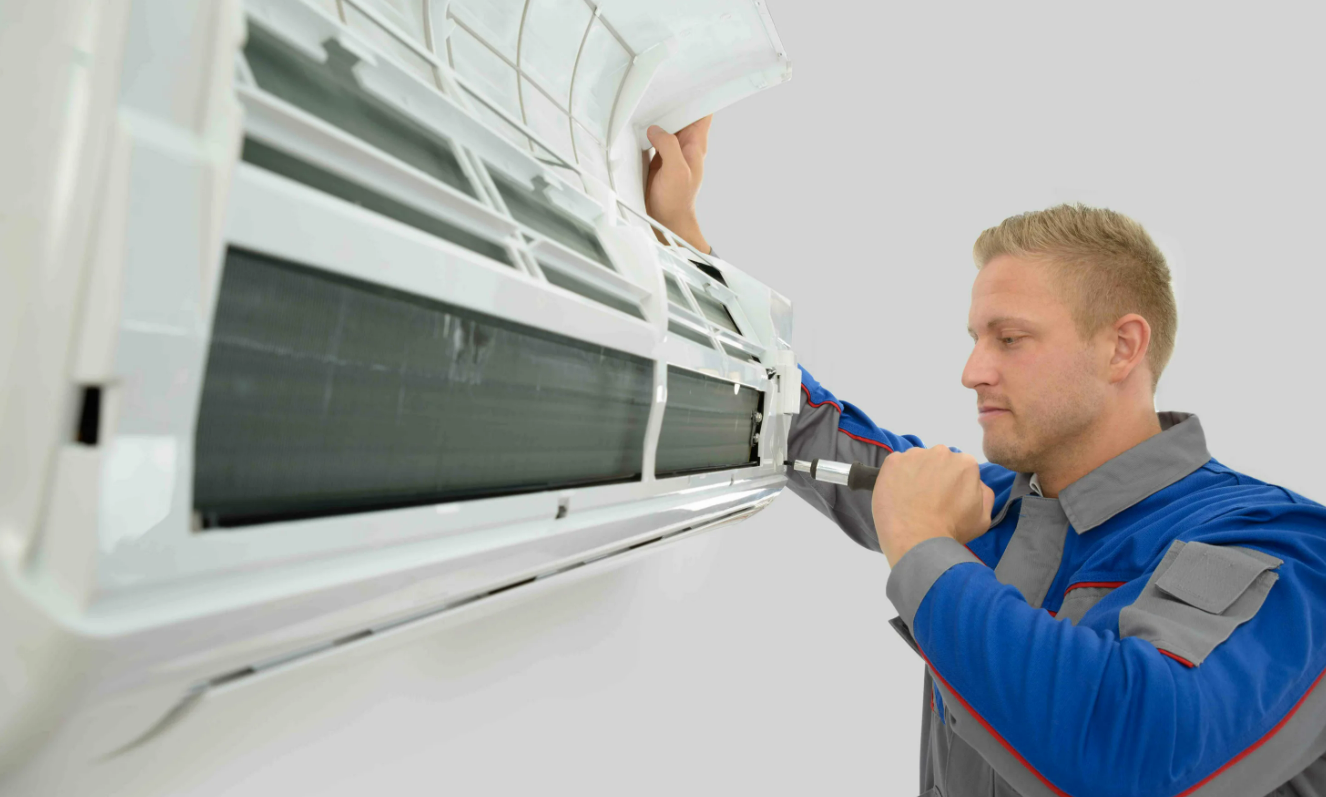
In most parts of the world, an air-conditioning breakdown is an inconvenience. In Dubai, it is an operational risk. Cooling systems are central to daily living. When they fail, the consequences extend beyond discomfort. Condensation buildup, moisture imbalance, and pressure on surrounding systems can lead to secondary damage within the apartment.
From an insurance perspective, the challenge lies in classification. Not all AC-related issues are covered under standard policies. Gradual wear and tear, poor maintenance, or system inefficiencies are often excluded. This creates a situation where the most common failures fall outside the scope of compensation.
Electrical Fires: A Growing Concern in High-Density Living
Electrical systems in residential buildings are designed for consistent load, but real usage often exceeds these assumptions. Multiple appliances, continuous AC usage, and fluctuating voltage conditions contribute to system strain.
Electrical fires, while less frequent than minor faults, carry significantly higher severity. They can originate from overloaded circuits, aging wiring, or faulty installations within individual units.
Insurance coverage for fire damage is generally included in most home policies. However, claims can become complex when linked to:
- Poor maintenance records
- Unauthorized modifications
- Non-compliant electrical fittings
Water Leaks: The Most Common Yet Overlooked Risk
Water damage is one of the most frequent issues in Dubai apartments. Leaks may originate from internal plumbing, neighbouring units, or shared building systems. What makes water damage particularly challenging is its delayed visibility. By the time stains appear on ceilings or walls, structural components and fixtures may already be affected.
Insurance policies often differentiate between sudden and gradual damage. While sudden pipe bursts may be covered, long-term seepage or neglected leaks are typically excluded. This distinction becomes critical at the time of claim assessment. In multi-unit buildings, responsibility can also become unclear. Determining whether the source lies within the apartment, another unit, or a common area can complicate both repairs and claims.
The Coverage Gap: Where Assumptions Fail
One of the most consistent patterns we observe is the gap between perceived coverage and actual policy terms.
Homeowners and tenants often assume that:
- All internal damages are covered
- Maintenance-related issues fall under insurance
- Repairs will be reimbursed in full
In reality, policies are structured around specific conditions. Exclusions related to wear and tear, gradual damage, and lack of maintenance are standard across most home insurance Dubai frameworks. This means that a significant portion of everyday risks may not qualify for claims, even when the financial impact is substantial.
A More Practical Approach to Risk Management
Addressing these risks requires a shift in perspective. Insurance should not be viewed as a blanket solution, but as one component of a broader protection strategy.
From our advisory standpoint, effective risk management includes:
- Understanding policy inclusions and exclusions in detail
- Ensuring regular maintenance of critical systems
- Aligning coverage limits with realistic repair and replacement costs
- Maintaining documentation for servicing and inspections
This approach reduces uncertainty at the time of a claim and ensures that coverage aligns with actual exposure. AC problems, electrical breakdowns, and leaks are common occurrences in Dubai flats. These are just some of the problems encountered by living in a densely populated, highly climate-controlled environment.
What matters here is not whether such situations are bound to arise, but whether the safeguards are in place to take care of them. Our experience shows that the only thing standing between a manageable situation and heavy costs is knowledge of what to expect and how to deal with these risks beforehand.