

Group Pension Options for Mainland Entities Aligning with End-of-Service Reform
The end-of-service benefits system has long remained the only tool for protecting private sector workers and expatriates in the UAE. However, in November 2023, a new voluntary savings scheme came into play, which is gradually changing the usual order. Employers can now opt out of one-time payments in favor of monthly contributions to investment funds, which opens up opportunities for a more sustainable retirement model. For companies on the mainland, such changes mean the need to review compensation strategies and establish long-term policies in the field of employee social protection. Many employers are now weighing their options and looking at investing in the most beneficial insurance in Dubai, ensuring that pension contributions are supported by broader financial protections.
The traditional gratuity or end-of-service indemnity (EOSI) system was based on a simple principle: an employee who had worked for more than a year received a lump sum upon termination or termination of the contract. The calculation was based on the base salary and seniority: 21 days for each of the first five years and 30 days for each subsequent year. But this model had limitations. The payment could not exceed two years of salary, and if the company went bankrupt, there was a risk of non-payment. The mass layoffs during the pandemic have shown the vulnerability of this scheme and the need to move to a more sustainable system.
The new voluntary pension scheme stipulates that employers contribute 5.83% of the base salary of employees with up to five years of experience and 8.33% for employees with more than five years of experience. Additionally, employees can transfer up to 25% of their annual income on a voluntary basis. This turns the former gratuity into a full-fledged accumulative instrument, which takes into account investment income and the possibility of long-term capital growth.
Social Protection and GCC Standards
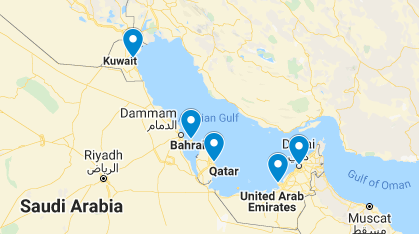
The reform of the EOSG has become a general trend for the countries of the Gulf Cooperation Council. Oman has introduced a national provident fund, Bahrain implemented its own system in 2023, and Kuwait is developing measures with the participation of international experts. The reforms are based on the principle of social insurance and collective financing. International standards require equal treatment of all categories of workers, including migrants, as well as the role of the State as a guarantor.
In the UAE, the management of the system is entrusted to licensed investment funds under the supervision of the Ministry of Human Resources and Emiratisation (MoHRE) and the Securities and Commodities Authority (SCA). The employer is obliged to transfer funds to the fund within 15 days. This reduces liquidity risk, protects employees in case of financial difficulties of the company and ensures predictability of future payments.
Practical Value for Mainland Companies
Mainland companies face a double challenge. On the one hand, they must comply with labor laws, and on the other, they must take into account the financial burden of mandatory contributions. The funded model allows you to plan expenses in advance, rather than face large lump-sum payments when employees with 10-15 years of experience are dismissed.
New Opportunities and Long-term Benefits
The introduction of the capital guarantee fund and the right to choose an investment strategy gives employees more control. They can keep their savings in the fund even after changing employers, ensuring portability of benefits and long-term protection. The possibility of voluntary participation opens up for the self-employed and freelancers. This allows you to reach a wider range of participants than the traditional EOSI system.
Employers, in turn, can use participation in the savings scheme as a tool to attract and retain specialists. The combination of mandatory and voluntary contributions demonstrates concern for the social security of staff and increases trust. At the same time, compliance with international standards reduces the likelihood of conflicts, improves the reputation of companies and makes the labor market more flexible.
The combination of mandatory contributions (5.83% or 8.33%), voluntary contributions from employees (up to 25%), restrictions on limits (no more than two years of salary), as well as the possibility of early retirement upon reaching the age of 55 forms a system that meets the requirements of the modern market.
The end-of-service gratuity reform in the UAE marks the transition from a limited and risky model to a sustainable funded system combining mandatory and voluntary elements. For mainland companies, this is not just a matter of compliance with legislation, but a strategic step in human resources and financial management. In the context of growing competition for talent and dynamic changes in GCC, the introduction of pension schemes based on the principles of social insurance and collective financing is becoming the key to business stability and social protection of employees. The guidance of experienced insurance brokers Dubai can play a valuable role in integrating these group pension options into broader corporate benefit strategies.
